When should my child see an eye doctor for the first time?
+
We recommend a full eye examination by the age of two to three, even when your child has no complaints. An earlier check in the first months of life makes sense if squint, strong refractive errors or eye disease run in the family, or if you notice something about your child's eyes. At our practice in Glattpark (Opfikon) we see children from the city of Zurich and the wider canton.
When should children have their first eye examination in Zurich?
+
Ideally before kindergarten. Vision develops during the first years of life, so refractive errors, squint and amblyopia must be found while treatment still works well. English-speaking families living in Zurich, Opfikon, Glattbrugg, Kloten or Wallisellen are welcome — consultations are held in English or German.
What does an orthoptist do?
+
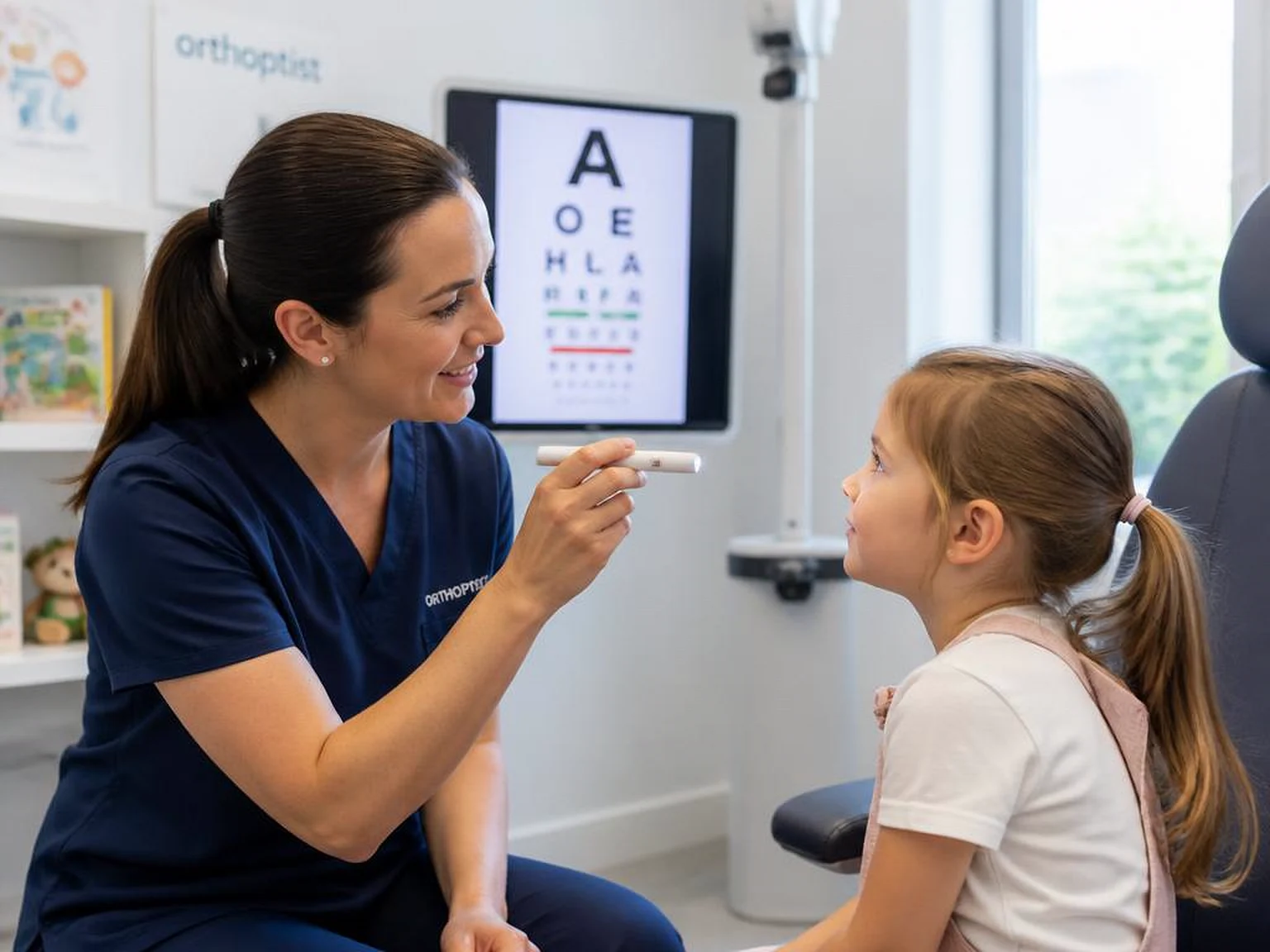
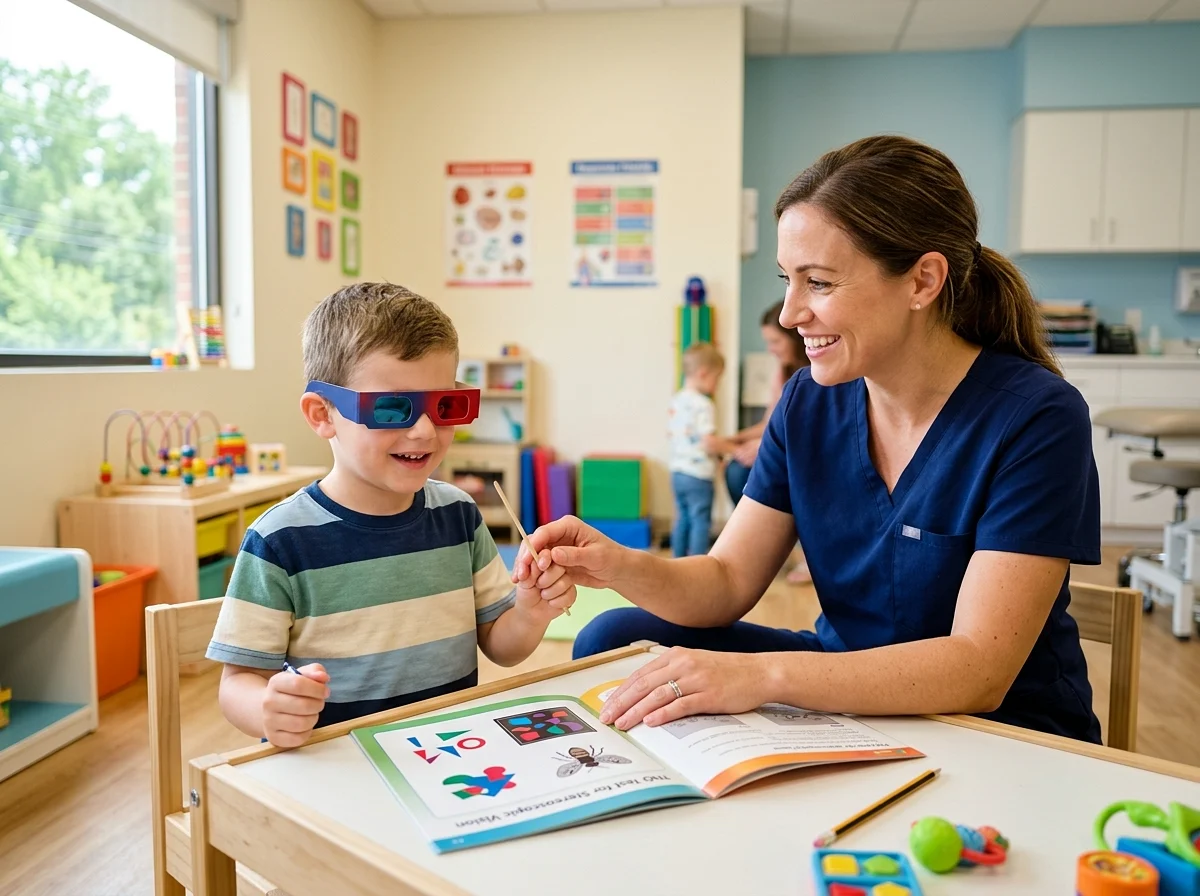
An orthoptist is the specialist for squint (strabismus), lazy eye (amblyopia) and eye movement disorders. She measures the angle of squint, tests binocular and depth vision and supervises treatment with glasses, prisms or patching. Her findings are discussed directly with the ophthalmologist, who makes the diagnosis and decides on treatment.
What is a children's orthoptic clinic (Sehschule)?
+
In Switzerland the orthoptic clinic is called Sehschule. It is a dedicated appointment in which both eyes are assessed together: eye alignment, eye movements, depth perception and the strength of each eye. It is the core of paediatric eye care and runs at our practice every weekday.
How can I tell if my child has a vision problem?
+
Children rarely say that they see poorly, because they know nothing else. Look for eyes that turn in or out, wobbling eyes, a head held to one side, screwed-up eyelids, frequent rubbing, light sensitivity, watering eyes, headaches, poor concentration, clumsy movements or difficulty reading and copying from the board. Any of these deserves an eye examination.
Can babies have an eye examination?
+
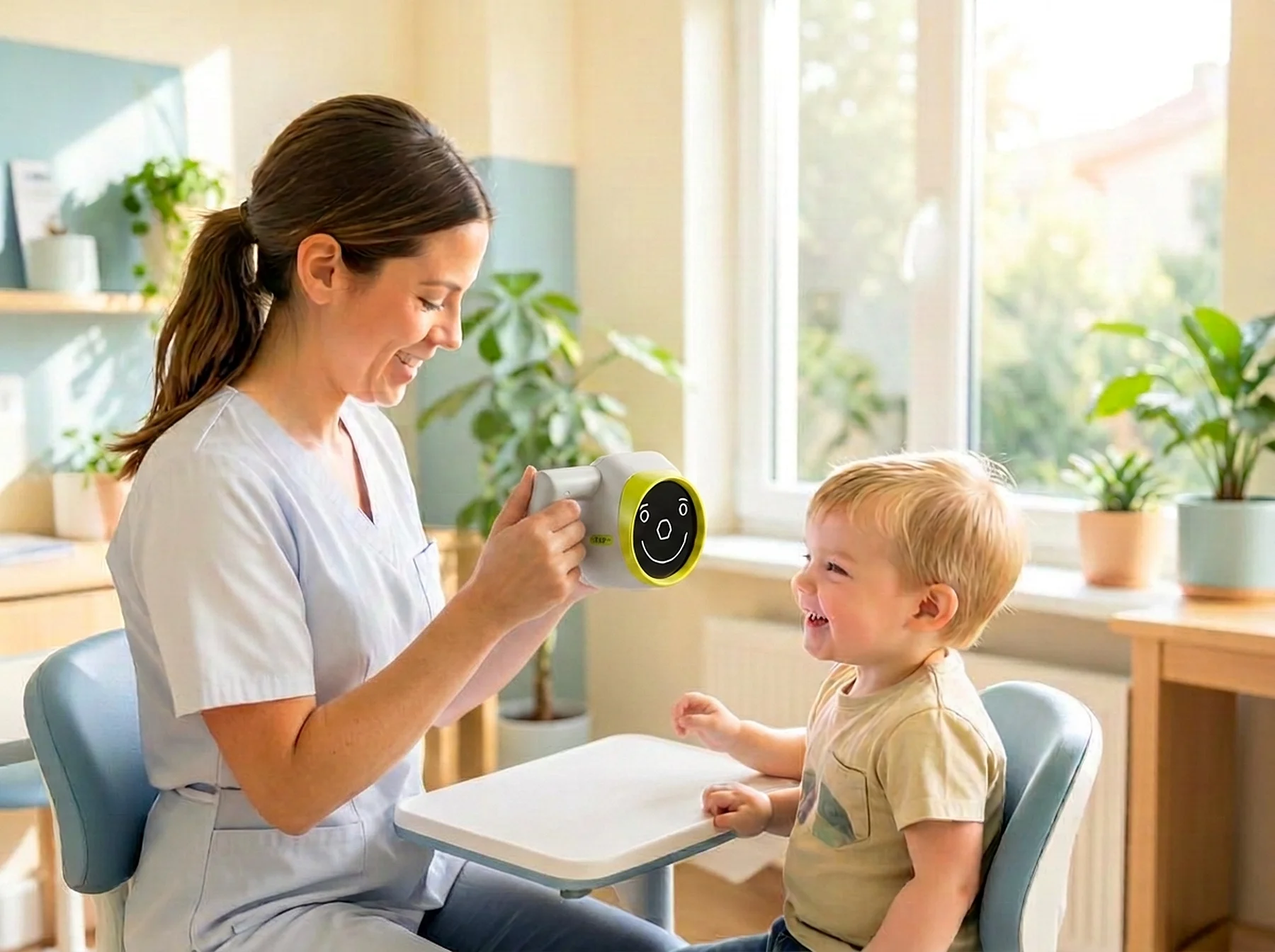
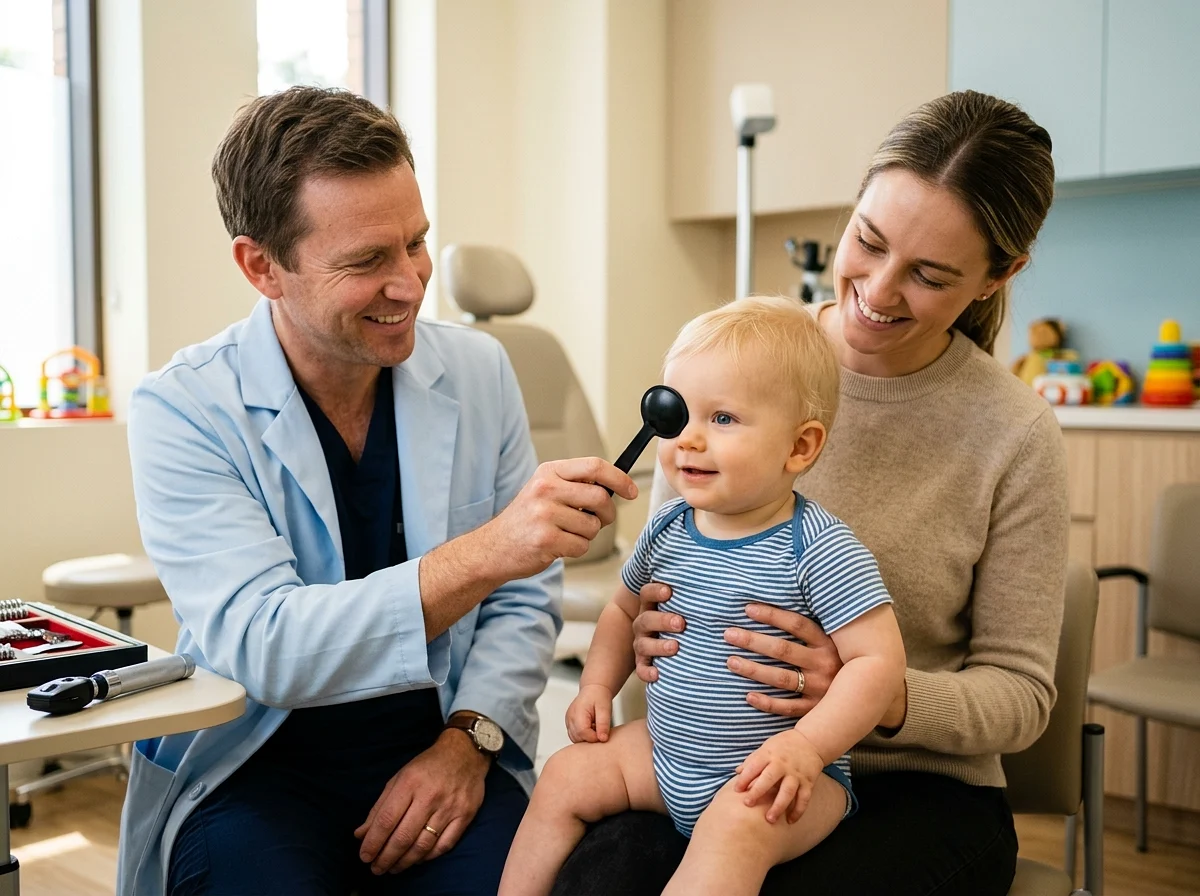
Yes. We examine babies and toddlers who cannot speak yet. The measurements are playful and contact-free — for example with the Plusoptix paediatric refractometer, which measures the spectacle prescription from about one metre away in seconds. We also assess fixation behaviour, eye alignment and the back of the eye.
What happens during a children's eye examination?
+
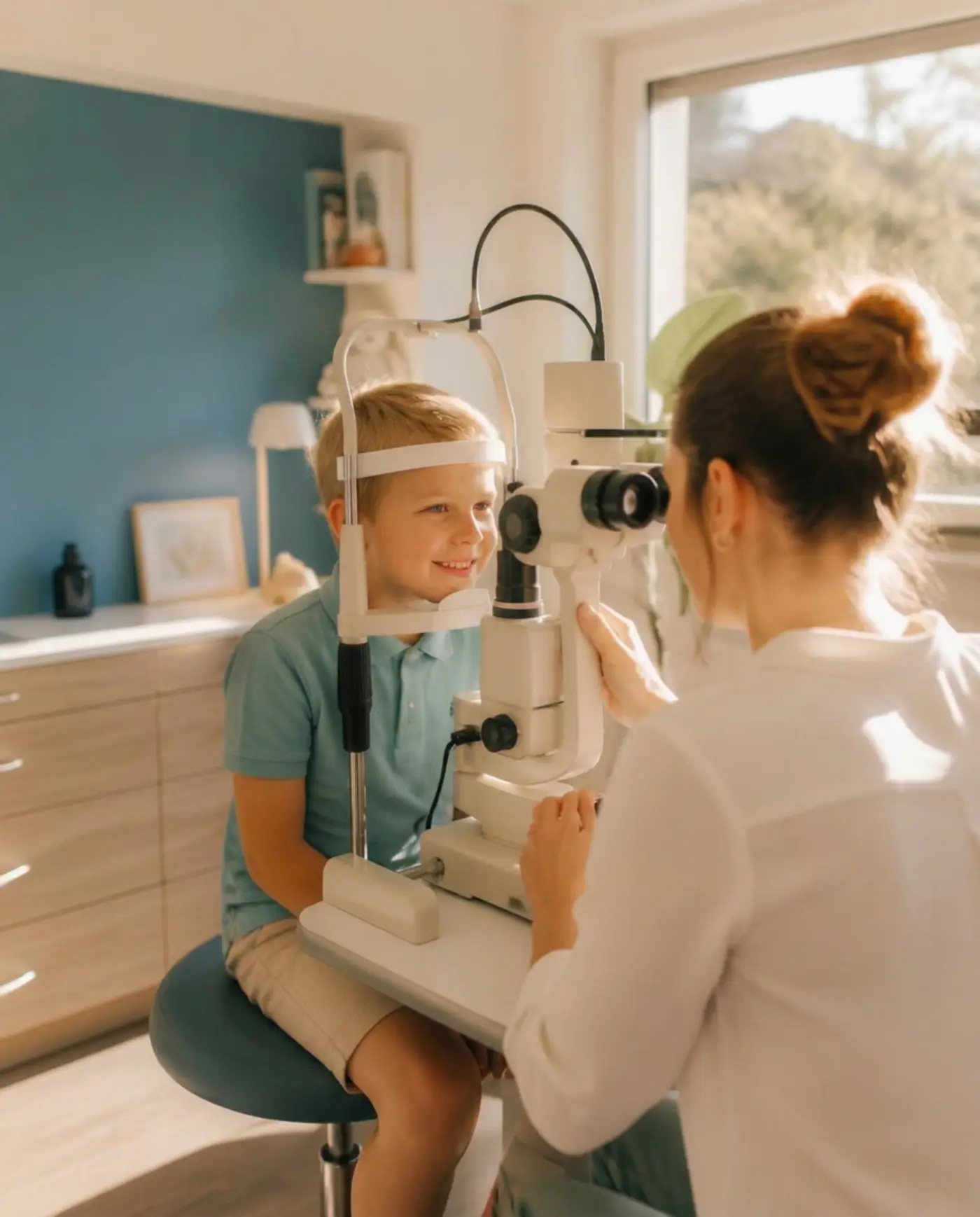
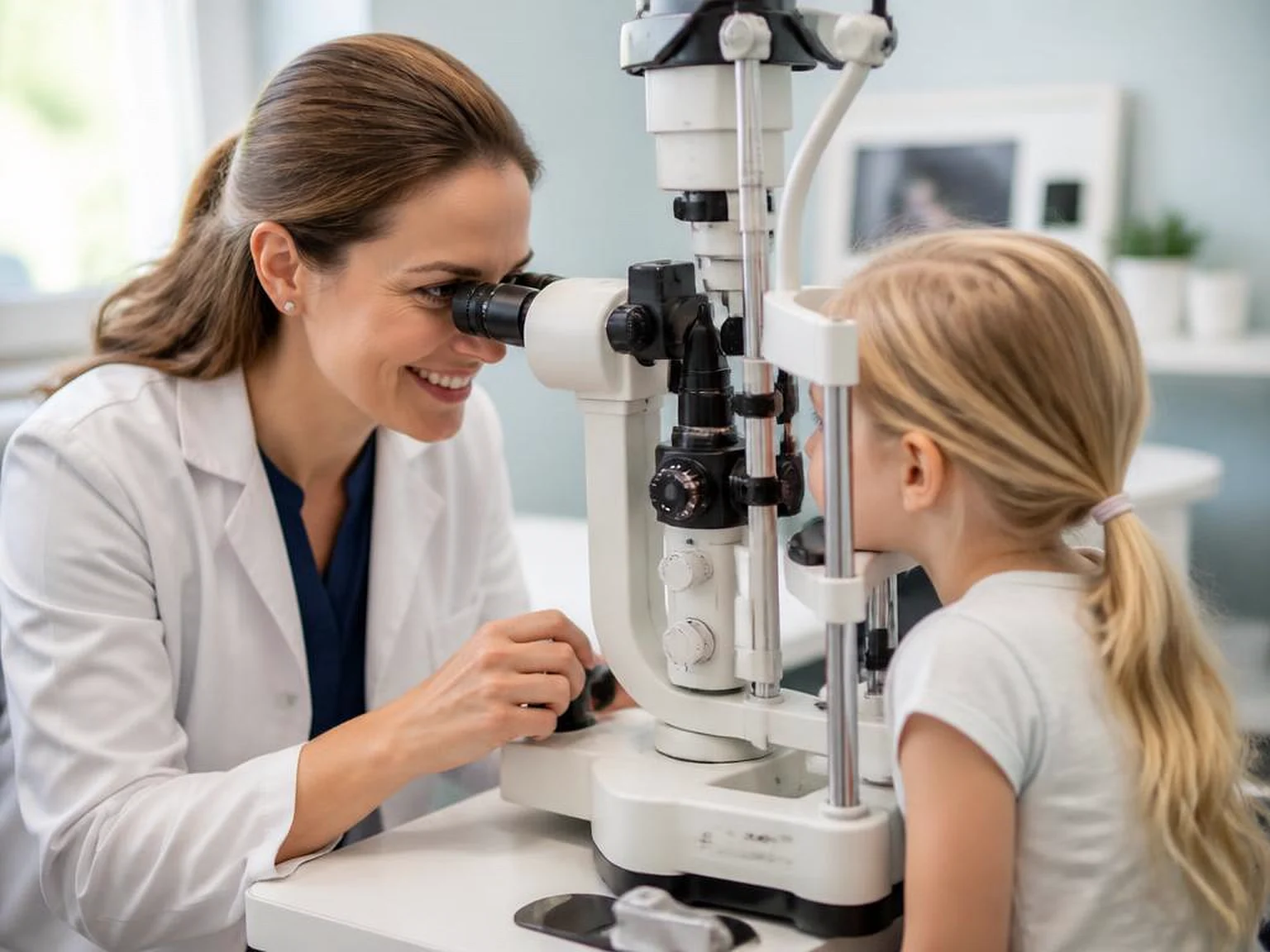
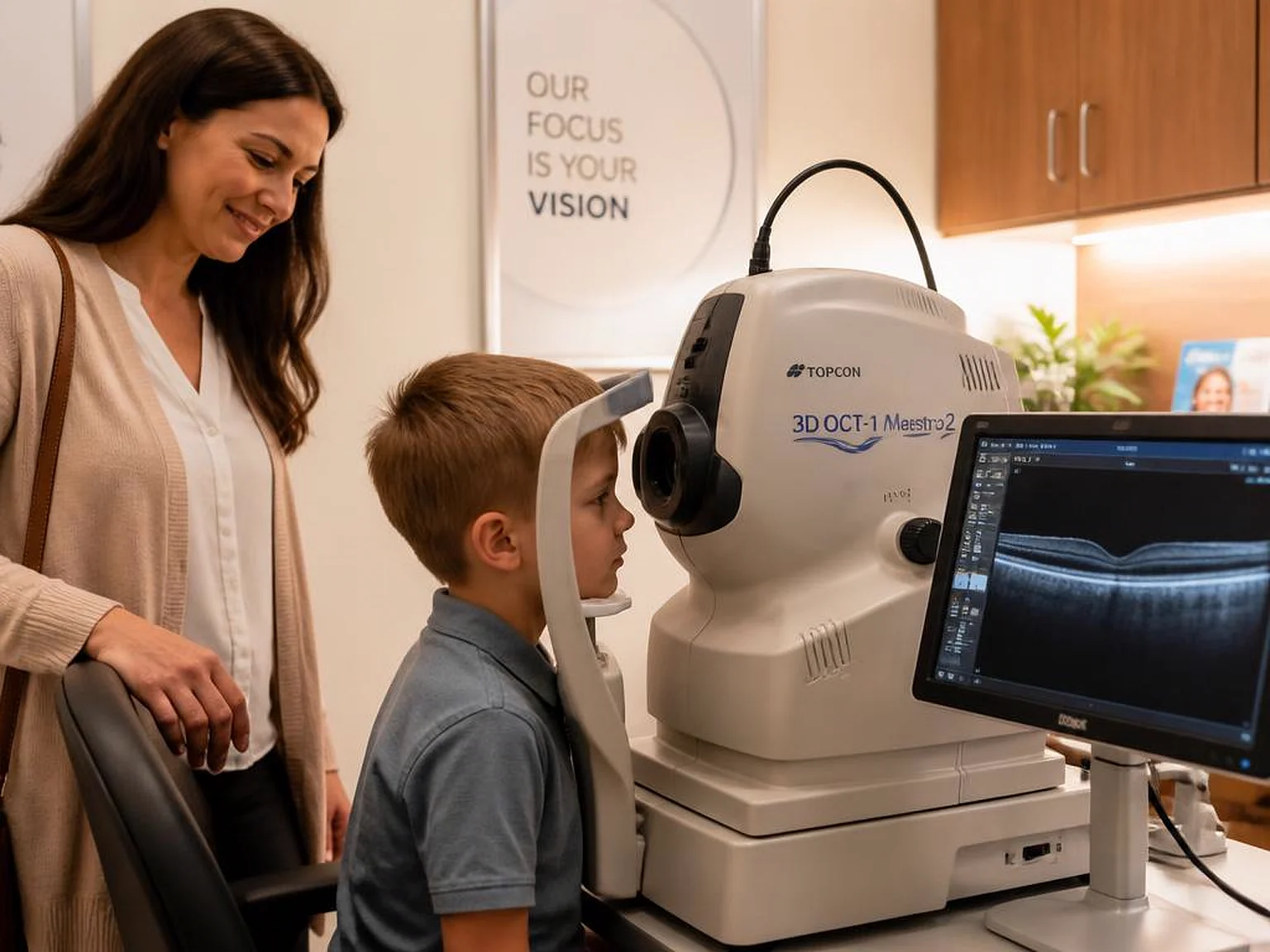
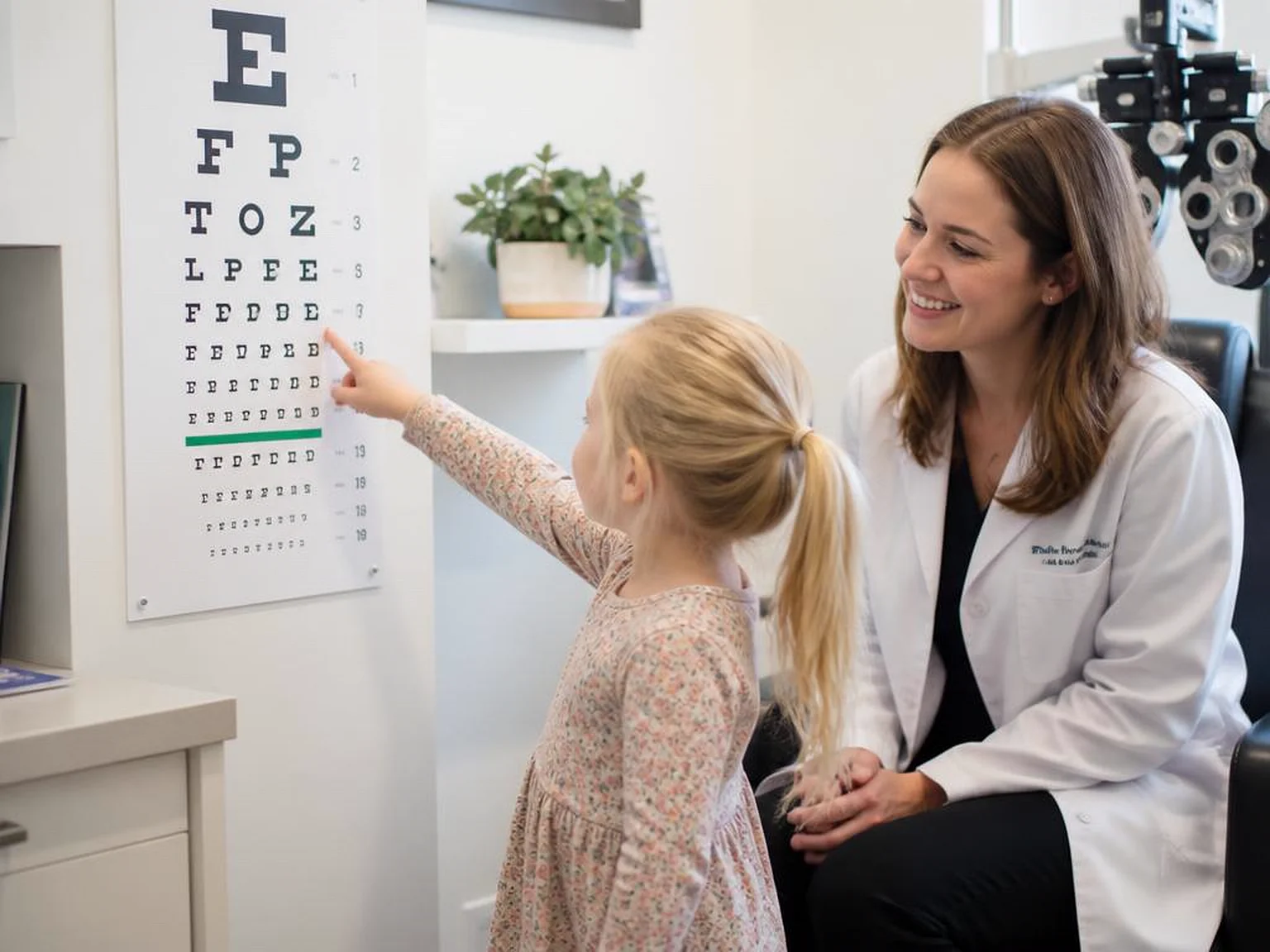
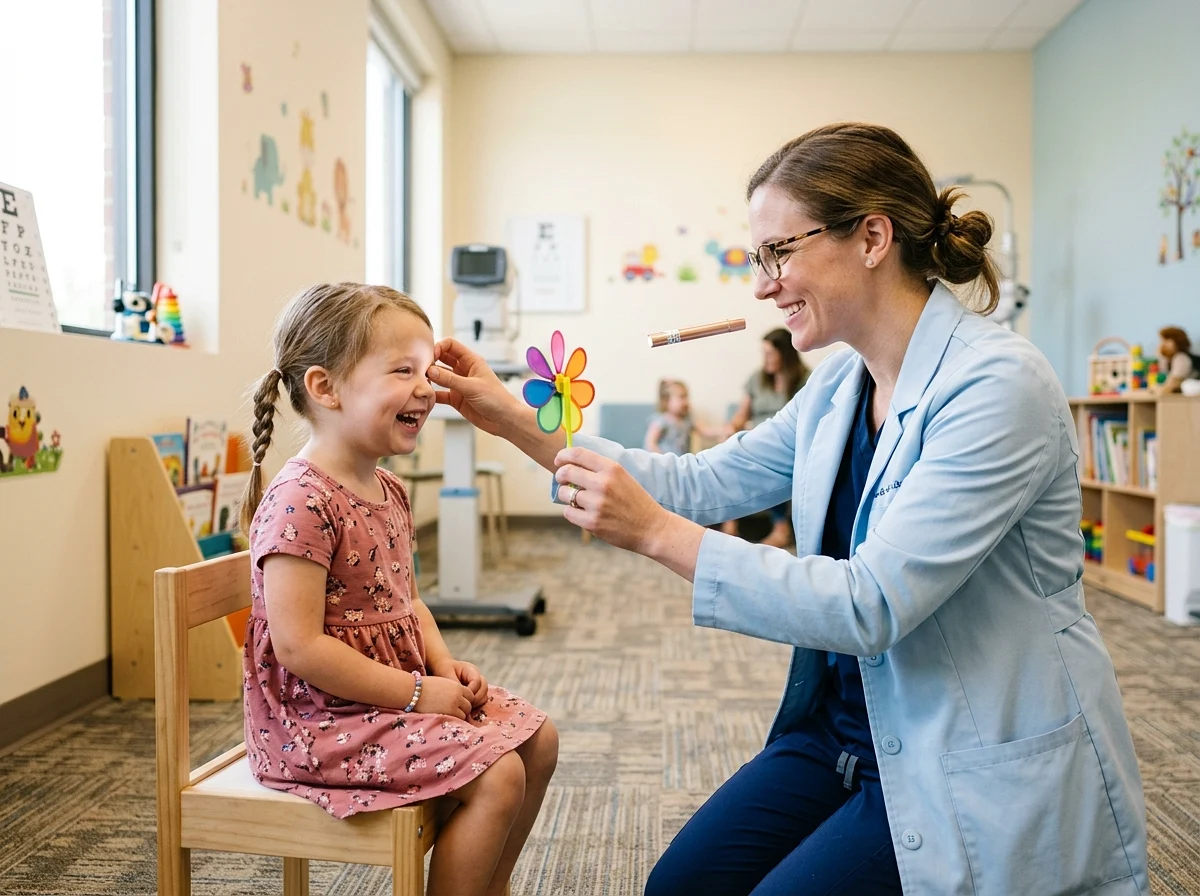
Please allow 45 to 90 minutes. The visit includes an age-appropriate vision test, an orthoptic assessment of eye alignment and binocular vision, measurement of the refraction and the ophthalmologist's examination of the front of the eye and the retina. We explain every step so your child stays calm and can take part.
When should strabismus or squint be examined?
+
As early as possible. A visible squint after the third month of life should always be assessed, and a sudden squint immediately. Even a barely visible microsquint can cause one eye to become amblyopic. The earlier treatment starts, the better the outlook for visual development.
How is lazy eye (amblyopia) treated?
+
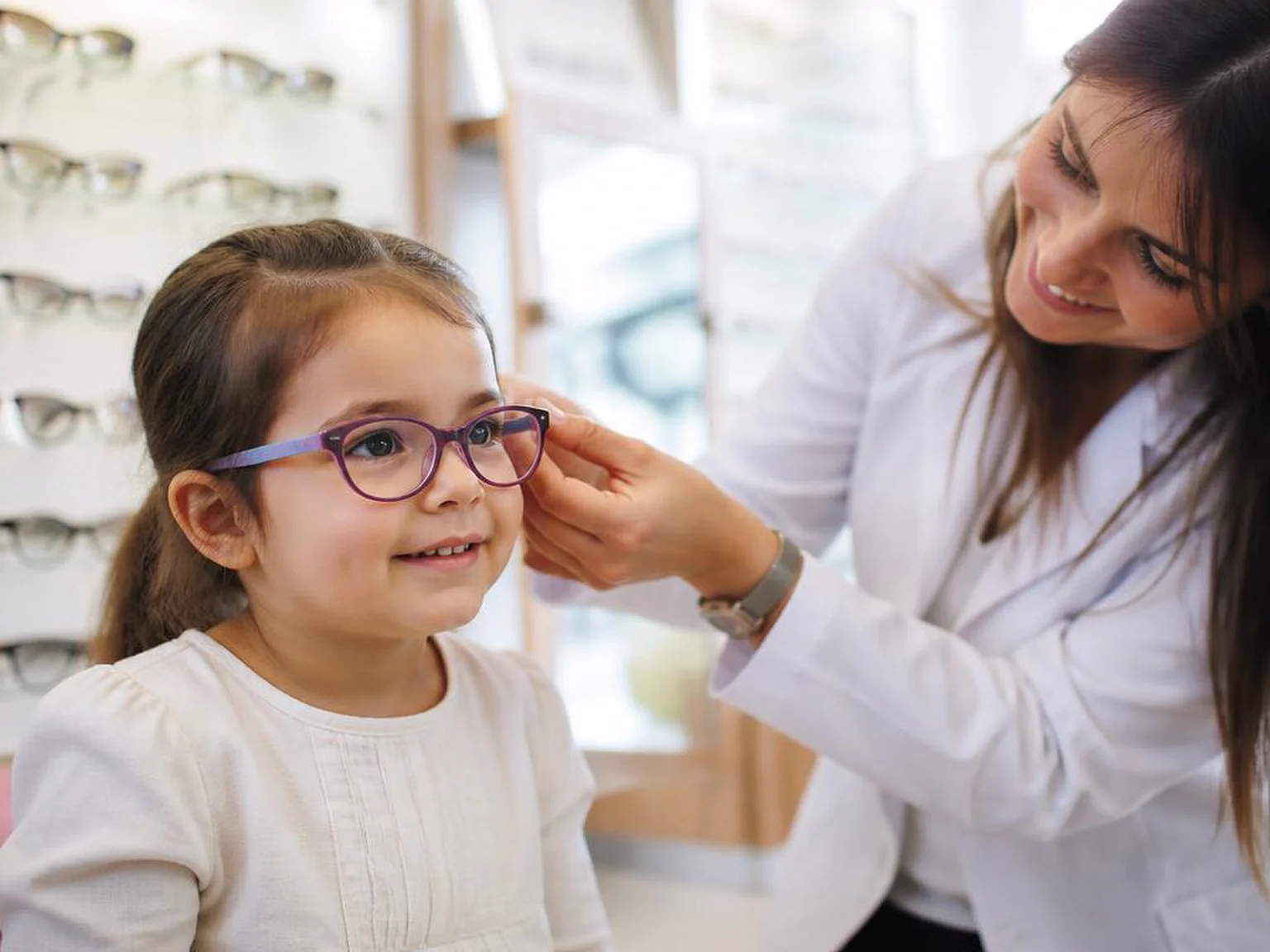
First the underlying cause is corrected, usually with precisely fitted children's glasses. In addition the stronger eye is patched for part of the day, or slowed with drops, so that the weaker eye is trained. The plan is individual and is adjusted at regular follow-up visits in the orthoptic clinic.
Will my child need eye drops?
+
Often, yes. The drops widen the pupil and relax focusing, which is the only reliable way to measure a child's prescription and to examine the retina fully. Afterwards your child sees blurred up close for a few hours and is sensitive to light — please bring sunglasses and a cap.
How quickly can I get an appointment?
+
Orthoptics and the Sehschule run Monday to Friday, assessments and follow-ups Monday to Saturday. We offer appointments at short notice — calling 044 251 11 21 is the fastest way.
Does Swiss health insurance cover the costs?
+
Ophthalmic examinations and orthoptic care are mandatory benefits of Swiss basic insurance (Grundversicherung) and are billed according to Tarmed. Children's spectacle lenses are co-financed within the statutory contributions up to the age of 18.